
October 15, 2026
Electrical Wire Harness: Materials, Specs and Practical Applications
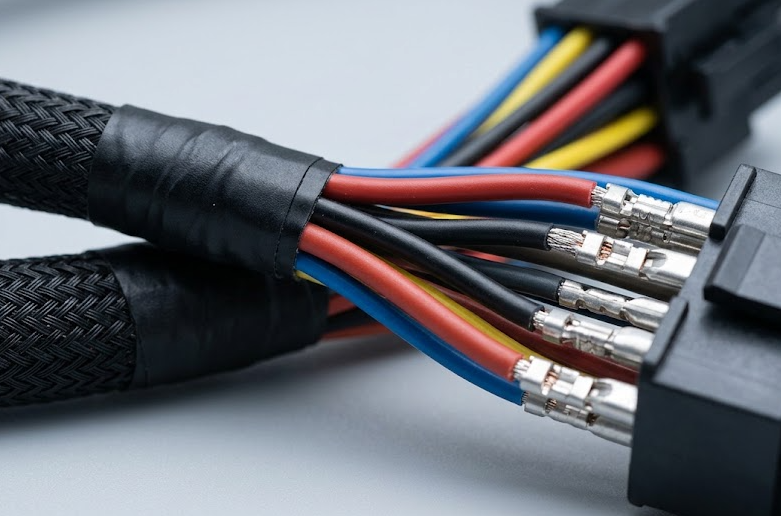
Table of Contents
1. Basics of Electrical Wire Harness
2. Common Electrical Wire Harness Insulation Materials
3. Material Performance and Spec Comparison
4. Core Structural Components
5. Typical Industrial Applications
6. Frequently Asked Questions
1. Basics of Electrical Wire Harness
An electrical wire harness is a bundled assembly of insulated wires and cables. It integrate connectors, terminals and protective accessories into one single unit.
Wire harness assembly simplify complex electrical wiring layouts. It organize scattered circuit lines for electronic and mechanical systems.
Standard electrical wire harness improve circuit stability. It reduce wiring chaos and short circuit risks in equipment operation.
Custom wire harness designs fit different voltage grades and temperature working environments.
2. Common Electrical Wire Harness Insulation Materials
2.1 PVC Insulation Harness
PVC is the most common insulation material for general electrical wire harness.
It have low production cost and easy processing features. It suit normal indoor and low-heat environments.
PVC wire harness cannot withstand ultra-high temperature. It turn brittle under long-term low temperature exposure.
2.2 XLPE Insulation Harness
XLPE cross-linked polyethylene wire harness own better heat resistance than PVC.
This material have strong anti-aging and abrasion performance. It widely used in automotive and industrial equipment.
XLPE insulation extend harness service life in high-temperature working zones.
2.3 Silicone Insulation Harness
Silicone rubber wire harness support extreme temperature changes. It keep high flexibility in cold and hot conditions.
It have excellent bending resistance. It fit dynamic moving equipment and precision devices.
Silicone harness cost higher than regular materials. It only used for high-standard scenarios.
2.4 PTFE Insulation Harness
PTFE Teflon wire harness provide top level heat and chemical resistance.
It resist corrosion from oil, acid and alkali substances. It work stable in harsh industrial environments.
3. Material Performance and Spec Comparison
Different insulation materials decide the service performance and application limits of electrical wire harness. The table below show verified industry standard test data for mainstream harness materials.
Insulation Material | Working Temp Range | Flexibility Level | Chemical Resistance | Relative Cost |
PVC | -15°C to 105°C | Moderate | Fair | Low |
XLPE | -40°C to 125°C | Good | Good | Medium |
Silicone Rubber | -60°C to 200°C | Excellent | Good | High |
PTFE (Teflon) | -60°C to 260°C | Low | Excellent | Very High |
PVC electrical wire harness is the most cost-effective choice for general indoor electrical devices.
XLPE harness balance temperature resistance and cost. It become the mainstream choice for automotive wiring harness.
Silicone and PTFE harness serve high-end and harsh environment projects. Their wide temperature range ensure long-term stable operation.
4. Core Structural Components
4.1 Conductive Copper Wires
Most electrical wire harness use tinned copper or bare copper conductors.
Copper material ensure stable electrical conductivity and low signal loss.
4.2 Terminals and Connectors
Precision terminals and connectors achieve pluggable circuit connection.
Standard connector models guarantee accurate assembly and replacement compatibility.
4.3 Protective Sleeves and Tape
Woven sleeves and insulating tape wrap the whole wire harness.
These accessories prevent wire friction damage and short circuit faults.
5. Typical Industrial Applications
5.1 Automotive Industry
Automotive wire harness is the core circuit system of vehicles.
XLPE insulated harness fit engine cabin high-temperature working conditions.
5.2 Household Appliances
PVC electrical wire harness widely used in home electrical equipment.
It meet daily low-temperature and low-load power transmission demands.
5.3 Industrial and Medical Equipment
High-grade silicone and PTFE wire harness apply for precision medical devices.
Harsh industrial automation equipment also rely on high-temperature resistant harness products.
6. Frequently Asked Questions
Q1: What is the most widely used electrical wire harness material?
A1: PVC insulation material take the largest market share for general use. XLPE material is the most popular option for automotive wire harness due to better heat resistance.
Q2: What is the maximum working temperature of silicone wire harness?
A2: Standard silicone electrical wire harness can work stably up to 200°C. It also maintain good flexibility under minus 60°C low temperature.
Q3: Why choose XLPE harness instead of PVC for automotive use?
A3: XLPE have higher temperature resistance and anti-aging performance. It adapt long-term high-heat environment inside car engine cabins, PVC cannot.
Q4: What advantage PTFE wire harness have?
A4: PTFE harness own the best chemical corrosion resistance and ultra-high temperature resistance. It suitable for special industrial and aerospace harsh working scenarios.